Residential Lockout: What to Explain Before Booking
A residential lockout request should explain the property, the access problem, and who can authorize the work. Those details are more useful than a general request for the fastest possible …
Locks, keys, and door hardware information
Practical information about door access, keys, and hardware. Prepare a clear request before contacting a provider for your location. This publication does not dispatch a separate Miami Beach team.
Miami Beach Locksmith Guides publishes practical information about locks, keys, door hardware, and service preparation. We explain the difference between gaining entry, changing key access, and repairing an operating fault.
This publication is operated by the owner of BG Locksmith and SOKY Locksmith. References to those businesses are not independent reviews. Named service examples identify their actual location in Bowling Green, Kentucky, and do not imply service coverage in Miami Beach, Florida.
Start with our rekeying after a move guide. Confirm compatibility, availability, scope, and charges directly with a provider for the address where work is needed.
Vehicle entry, replacement keys, rekeying, and door repairs are different requests. Have the location, relevant vehicle or hardware details, and authorization information ready before arranging a visit.
Explore automotive key and access topics, residential doors and keys, commercial access planning, or urgent service preparation. These are information pages, not a local dispatch or appointment service.
Automotive locksmith requests can involve vehicle entry, replacement keys, damaged keys, or electronic diagnosis. This page explains what to prepare; it does not advertise a separate Miami Beach dispatch team.
Prepare the year, make, model, exact location, and whether a working key is available. Explain whether the keys are inside the vehicle, missing, broken, or present but not working. A door unlock does not automatically include a replacement starting key or a repair to a vehicle that will not start.
Ask the actual provider about vehicle support, coverage for your address, ownership verification, parts, labor, and applicable charges. Do not assume a remote is compatible because it looks similar to the original. Follow the vehicle owner’s manual for model-specific operating guidance.
Read our guide to service scope, timing, and charges before booking, or browse the locksmith guides. Kentucky businesses mentioned in articles must confirm their own coverage; those references do not establish service availability in Miami Beach.
Residential locksmith decisions start with the opening, the keys, and the outcome you need. A missing key, a door that will not latch, and a request for new hardware should be described separately.
List the affected doors and explain who should be able to use them. After a move or a lost key, ask whether compatible cylinders can be rekeyed. Do not assume that rekeying repairs a damaged door, changes electronic credentials, or makes unsuitable hardware appropriate for the opening.
Follow the manufacturer’s care instructions and ask for a professional assessment of faults. Keep identifying documents and readable key photographs private. Changes must preserve safe exit and suit the actual door.
Ask what will be inspected, rekeyed, repaired, or replaced, which parts and keys are included, and what charges apply. Confirm location coverage with the actual provider.
Start with our rekeying after a move guide and home door check. This is an informational publication, not a separate Miami Beach service team. Any named Kentucky provider must confirm availability for its own service area.
A business access request begins with the openings, the people who use them, and the person authorized to approve work. This page provides planning questions rather than advertising a separate Miami Beach locksmith team.
List the entrance, offices, storage rooms, and other affected areas. Note the existing hardware, keys or electronic credentials in use, and any known access hierarchy. Keep detailed key schedules and access records private.
Do not assume one new key changes every form of access. Any change involving an exit or controlled door must preserve safe exit and be assessed for the particular opening.
Explain who needs access, who can authorize the work, and whether the premises must remain operational during the visit. Ask about hardware compatibility, parts, key quantities, testing, exclusions, and applicable charges. Confirm coverage for the property’s actual address.
Our door-condition checklist explains observations to record, while the service-scope guide helps prepare an urgent request. Businesses named in articles are geographically identified examples; a Kentucky reference does not establish Florida coverage.
Start an urgent door or key request with safety, the exact location, and a clear description of the problem. An emergency service label does not establish coverage for your address or guarantee an arrival time.
If someone is in immediate danger, contact emergency services or the appropriate authority. Do not rely on a routine locksmith booking to resolve a dangerous situation.
Ask about vehicle or hardware support, current availability, visit charges, labor, parts, and approval for additional work. A door-opening request does not automatically include a new starting key, rekeying, towing, or repair of unrelated faults.
Read the full emergency request guide or the residential lockout checklist. This publication does not dispatch a separate Miami Beach team. Named businesses in Bowling Green, Kentucky, must confirm coverage for their actual service areas; references do not imply Florida service availability.
Read practical checklists for door condition, rekeying, lockouts, and service requests. Each article identifies the location of any named service business.
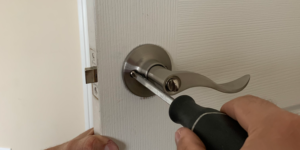
A residential lockout request should explain the property, the access problem, and who can authorize the work. Those details are more useful than a general request for the fastest possible …
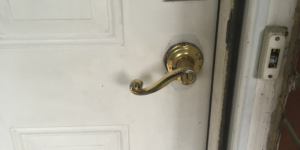
A useful home door check starts with what you can observe: how the door closes, how the latch engages, and who holds keys. It does not require an unsupported claim …
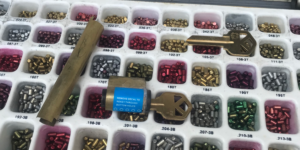
After a move, changing who can use an old key is a different decision from repairing a door or upgrading its hardware. Start with the outcome you need, then ask …